
NHS LOTHIAN | PODIATRY SERVICE
Nail Surgery
Nail surgery is a routine, commonly performed procedure with a high success rate.
This page explains what to expect before, during and after your surgery, and what to do if you have any concerns.

Procedure types
Your podiatrist will discuss which procedure is most appropriate for you at your consultation.
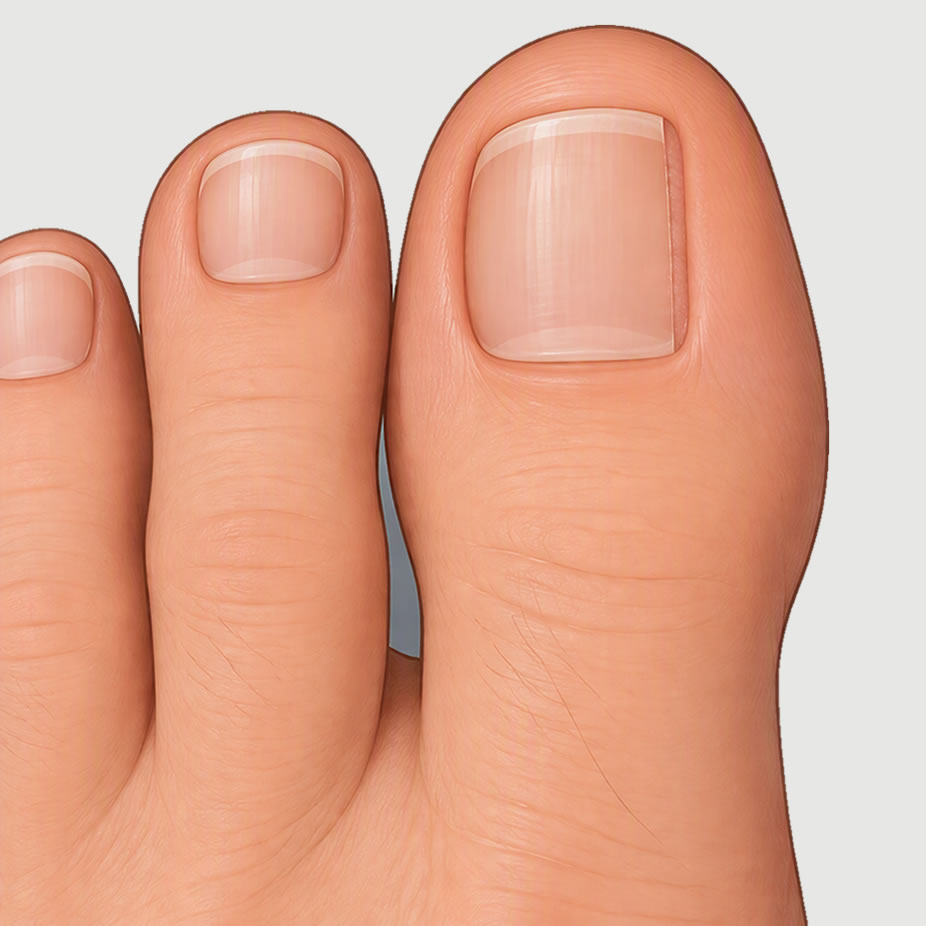
Partial Nail Avulsion (PNA)
The most common procedure. One or both sides of the nail are removed down to the root. This is used when only part of the nail is causing problems.
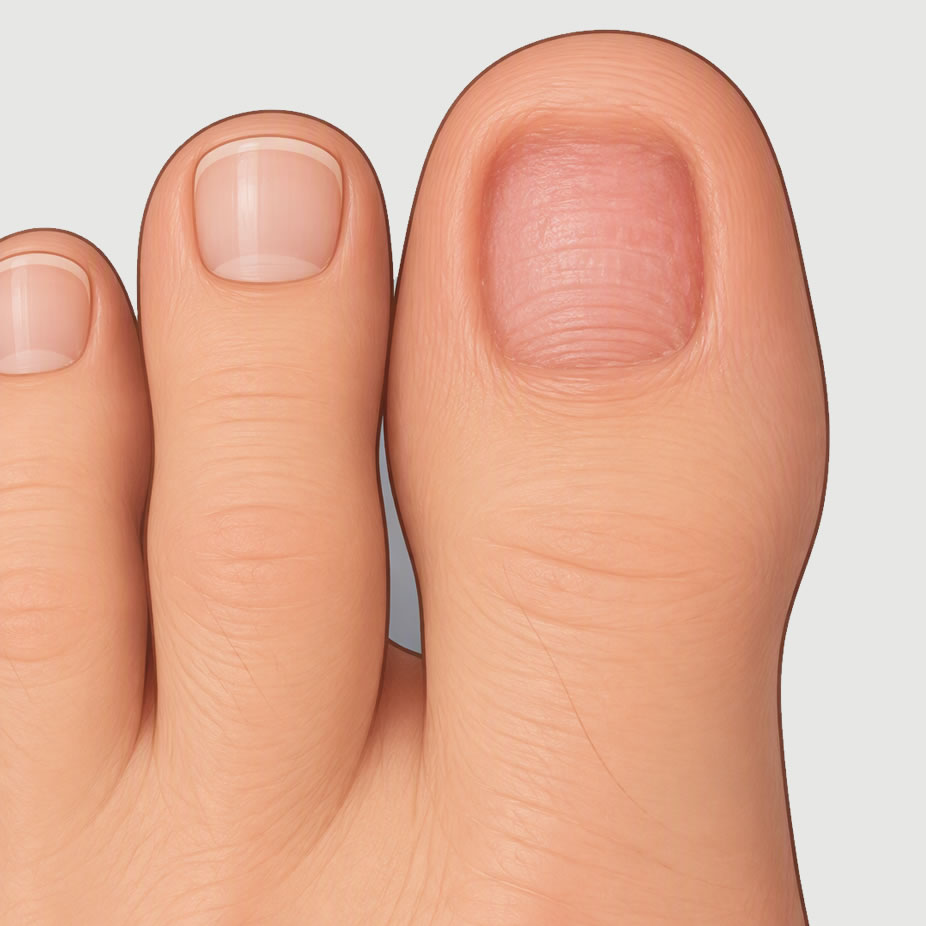
Total Nail Avulsion (TNA)
The entire nail is removed down to the root. This is used when the whole nail is affected or causing problems.
With Phenol
In most cases, a chemical called Phenol is applied to the nail root after removal to prevent the nail from regrowing. This is the standard approach and has a success rate of around 95%.
Without Phenol
In some cases, the nail is removed without Phenol, allowing it to regrow naturally. Your podiatrist will explain which approach is recommended for you and why.
Risks of nail surgery
Nail surgery is safe and commonly performed. Serious complications are rare. However, as with any procedure, there are risks you should be aware of before deciding to proceed. These will be discussed with you at your consultation.
Delayed healing
Infection
Nail regrowth
Allergic reaction
Pain or discomfort
Prolonged numbness
Bleeding
Phenol flare
Your podiatrist will discuss all risks with you before you decide to proceed.
Before your surgery
Consultation
Before surgery is arranged, a podiatrist will assess your nail to confirm that surgery is the most appropriate treatment. Your options will be fully explained, and you will have time to ask questions. You will be asked to sign a consent form before the procedure goes ahead.
Preparing for your appointment
To help your appointment run smoothly, please:
In some cases, a numbing cream (EMLA) may be applied before the anaesthetic injection to reduce discomfort.
Children aged 15 and under must attend with a parent or legal guardian who can provide consent.
Some people find it helpful to bring headphones or a phone to listen to music during the procedure.
During your surgery
All nail surgery is performed under local anaesthetic to numb the toe and ensure the procedure is pain-free. You may feel a brief sting when the anaesthetic is given, followed by numbness:
Local Anaesthetic:
The anaesthetic usually takes 2–5 minutes to work and lasts for approximately 2–3 hours after the procedure. You will not feel pain during the surgery, though you may feel some pressure.
Procedure Time:
The procedure itself usually takes around 20–30 minutes.
After your surgery
What is normal
In the weeks following surgery you may notice:
- Mild redness around the nail bed
- Yellow or green discharge, particularly in the first few weeks
- Slight bleeding or oozing
- Tenderness, swelling or sensitivity
- Scab formation
These are all expected and will improve as healing progresses.
Pain management
Some discomfort is normal once the local anaesthetic wears off usually 2–3 hours after your procedure. Consider taking paracetamol before the anaesthetic wears off so it has time to take effect. Avoid aspirin and alcohol as both can delay healing and increase bleeding.
Yellow-green discharge
Within the first few weeks it is normal for the wound to produce a yellow or green discharge. This is caused by the phenol used during surgery and is not a sign of infection. Do not wipe or clean it away. Simply continue dressing the toe as instructed. It will gradually dry and form a scab. Removing the scab can delay healing.
Dressing your toe
A small supply of dressings will be provided when you leave. You will need to buy additional dressings from a pharmacy, supermarket or online retailer. Use breathable dressings. Avoid waterproof or occlusive (sealed) dressings as these can delay healing.
Watch the aftercare video
Please watch this aftercare advice video and follow the guidance carefully.
There are step-by-step dressing instructions below:
Footwear and activity
In the weeks following surgery you may notice:
- Wear shoes with enough length, depth and width to avoid pressure on the surgical area
- Choose roomier or open-toe footwear until healing is well established
- Avoid running, strenuous exercise and swimming during the healing period
- Return to normal activities gradually as advised by your podiatrist
Healing times
Healing times vary between individuals and depend on your overall health, circulation, footwear and activity levels. The following are typical ranges:
Your podiatrist will advise you if your healing needs review.
When to seek help
If you have any concerns during healing, please contact the nail surgery team in the first instance rather than your GP. Our team has the specialist knowledge to assess and manage post-operative concerns quickly and effectively.
Signs of infection
- Increasing redness, heat or swelling around the toe
- Pain that is getting worse rather than improving
- Discharge that is increasing rather than reducing
If you notice any of these signs, do not wait to see if they improve.
During working hours:
Call NHS Podiatry on 0131 536 1627
Monday–Thursday 8:30am–4pm, Friday 8am–3:30pm
Outside working hours:
Call NHS 24 on 111
If you are unable to reach the podiatry team and are concerned, your GP can also provide advice.
Self-Referral Form
CONTACT INFORMATION
NHS Lothian Podiatry
Mon-Thu: 8:30am-4pm
Fri: 8am-3:30pm
Telephone: (0131) 536 1627
ABOUT US
Podiatrists are allied healthcare professionals trained to help prevent, diagnose, and treat problems affecting your feet and lower limbs.
Podiatry’s primary aim is to improve the mobility, independence, and quality of life for their patients.
SHARE THIS PAGE
© NHS LOTHIAN | PODIATRY SERVICE.