

We are an emergency, nurse/midwife led service for those experiencing pain and/or vaginal bleeding in early pregnancy. Our team includes nurses, midwifes and sonographers with expertise in early pregnancy and we have medical input when required.
Our focus is on supporting women and families with concerns during the first trimester of pregnancy (up to 11+6 weeks)
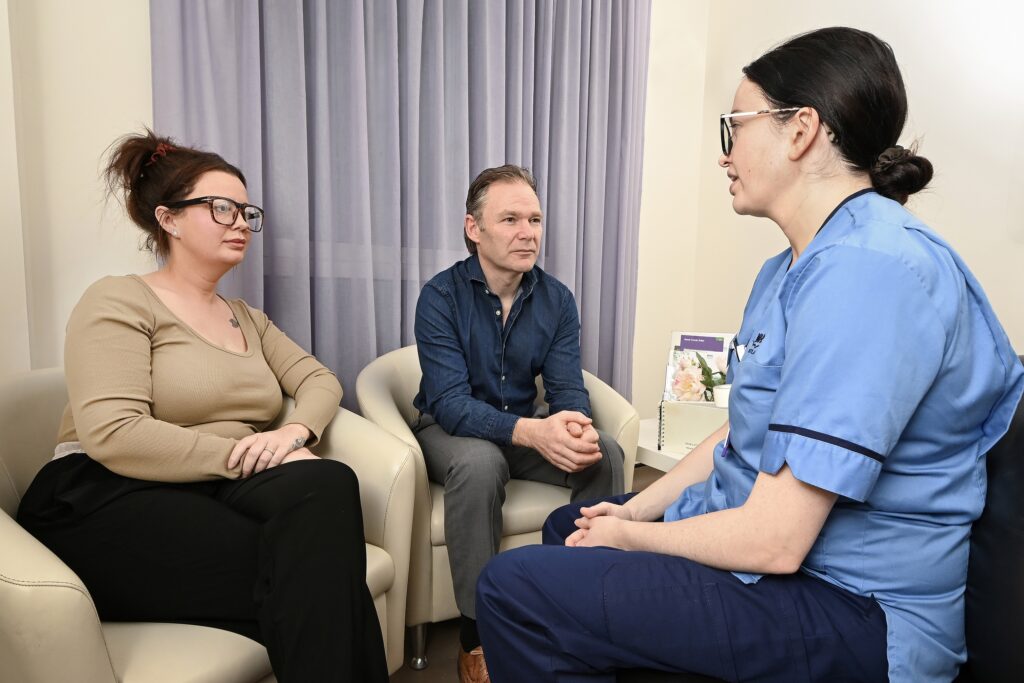
What We Do
Telephone Triage & Advice
If you’re worried about pain or bleeding in early pregnancy, call us. One of our specialists will listen, assess your situation, and advise on the next steps.
Appointments & Care
If clinically indicated, we’ll invite you for an appointment. During your visit, you may have an ultrasound scan and/or blood tests to help us understand what’s happening and provide the best care for you.
How to Get in Touch
You can self-refer to our unit by calling 0131 242 2438
Please note: our phone lines can be busy. If we can’t answer immediately, leave a clear voicemail with:
- Your name
- Date of birth
- Best contact number
- Briefly, why you are calling
We’ll return your call the same day during our working hours.
Location
You’ll find us in the Pregnancy Support Centre, located within Simpson’s Maternity Unit, just behind Obstetric Triage. We are closest to carpark 1G
Opening Times:
- Monday – Friday: 9:00 AM – 4:45 PM
- Saturday – Sunday: 9:00 AM – 3:30 PM
Contact us on: 0131 242 2438

Links to additional support
The Miscarriage Association

The Miscarriage Association is a UK-registered charity offering information and emotional support to anyone affected by miscarriage, ectopic pregnancy, or molar pregnancy. They provide clear, compassionate guidance for people going through pregnancy loss, as well as for partners, family members, friends, and healthcare professionals seeking reliable information.
At the heart of the Miscarriage Association’s work is the belief that everyone experiencing pregnancy loss deserves understanding, empathy, and accurate information. Their support is grounded in listening without judgement and helping individuals make sense of what’s happening emotionally and medically. Their services include an information hub, a supportive helpline, online resources, and personal stories from those who have gone through loss.
How to access their services:
The Miscarriage Association provides a national helpline, open Monday–Friday, where trained staff offer information and emotional support:
Helpline: 0303 003 6464
- Mon, Tue, Thu: 9am–4pm
- Wed, Fri: 9am–8pm
Their website also offers extensive self-help information, FAQs, guidance on feelings after loss, downloadable leaflets, and links to online support options.
Families and individuals can self-refer directly by contacting the helpline or visiting the website. Healthcare professionals, organisations, or others may also encourage or signpost individuals to the Miscarriage Association’s services.
For more information or support:
Visit the website: https://www.miscarriageassociation.org.uk
Email: info@miscarriageassociation.org.uk (listed on their site).
The Ectopic Pregnancy Trust

The Ectopic Pregnancy Trust is a UK-registered charity providing specialist information and emotional support to anyone affected by ectopic pregnancy. They support individuals, partners, families, and workplaces through what is often a frightening and deeply distressing experience. Their work focuses on helping people understand the medical and emotional aspects of ectopic pregnancy, offering clear information, compassionate guidance, and connection to others with shared experiences.
At the heart of EPT’s approach is the belief that no one should face an ectopic pregnancy alone. They offer a range of supportive resources including information on symptoms, diagnosis, treatment options, recovery, and the emotional impact of loss. Their services also include guidance for partners and family members, online forums, virtual support groups, and a supportive telephone call‑back service.
How to access their services:
The Ectopic Pregnancy Trust provides support directly through their website, online resources, and peer-support options. While they do not operate an immediate helpline, they offer a telephone support line with a call‑back service, allowing individuals to request one-to-one emotional support from trained staff and volunteers. They also provide extensive online information for anyone needing help understanding what they are experiencing.
Individuals can self-refer by accessing their support pages or requesting a call‑back. Healthcare professionals, employers, and other organisations may also signpost people to EPT’s resources, educational information, and peer-support community.
For more information or to request support:
Website: https://ectopic.org.uk/
Email (official charity listing): ept@ectopic.org.uk