
Outbreak Information, Guidance and Education
This page provides information and guidance to help prepare for, and support people, with common infections which can be linked to outbreaks.
You will find information on prevention, testing and control of infection, including, respiratory and gastrointestinal infections and scabies. You will also find details of the Care Home Outbreak Box for use in outbreaks or suspected outbreaks of gastrointestinal or respiratory infection. Some of these infections tend to happen during the Winter months and may be referred to as Winter infections, Winter illnesses or Winter bugs but they can also happen outwith Winter.
Please visit the “Vaccinations and Power of Attorney” webpage to find out more information on Care Homes residents consenting to vaccinations and Care Home preparation for a visit by the Vaccination team.
Please visit the East Region Health Protection Service webpage for outbreak notification forms for acute respiratory & GI infections and Scabies. You may also find the IPC Standards Checklist helpful.
Further to the resources on this page the NHS Antimicrobial Resistance and Healthcare Associated Infection (ARHAI) team in Scotland have launched a Winter Preparedness Campaign 2026 .
**Please note**
All documents and links on this page are reviewed (at least) annually, usually in the run up to Winter, please always check that you are using the most up to date version of any document. All documents reviewed October 2026 and updated as required.
The most up to date national information and guidance can be found online within
Care Home Infection Prevention and Control Manual (CH IPCM) .
Video: Overview of common infections and related measures
This short video has kindly been shared by East Region Health Protection Service and NHS Lothians Infection Prevention and Control Team (Care Homes) covers common respiratory and gastrointestinal infections., outbreak measures and Transmission based precautions (TBP’s). Please also see a poster with QR Codes to the Video and other resources, that can be shared with staff.
Scabies
What is Scabies?
Scabies is a contagious (infectious) skin condition caused by the mite Sarcoptes scabiei var. hominis; it can be found in many areas, including, Care Homes and schools.
Groups most likely to be affected
Groups most at risk are those with a weakened immune system, elderly people and people who are disabled (particularly those with neurological disorders).
Typical Scabies
Signs and Symptoms
Infestations normally affect skin folds, such as:
- Between fingers
- On the:
- Wrist
- Elbows
- Knees
- Around the buttock or breast creases
The main symptom of scabies infestation is intense itching of affected areas, particularly at night. There can also be a pimple-like skin rash or tiny raised lines caused by the mite burrowing into the skin to lay eggs.
Transmission
Transmission normally only occurs with prolonged direct contact with an affected person, though can be spread indirectly via the sharing of clothing, towels or bedding.
Crusted Scabies
Is a severe form of the disease.
Signs and Symptoms
- The skin develops thick crusts containing large amounts of mites/eggs.
- Often persons with crusted scabies do not have the usual signs and symptoms making the disease harder to diagnose.
Transmission
Crusted scabies is highly contagious either from direct or indirect contact and requires quick, aggressive treatment to prevent outbreaks.
Outbreaks of Scabies
Outbreaks are most common in the winter and tend to occur in populations in close, prolonged contact, such as children in school/nursery (and their parents) and nursing home residents.
Please visit the East Region Health Protection Service webpage for outbreak notification forms for Scabies. Please remember it is a Care setting’s/service’s responsibility to proactively implement control measures as per guidance immediately and independently in response to symptomatic residents.
Guidance and supporting materials
Scabies Back to Basics Webinar
Please view the video of the Scabies Back to Basics webinar (please note this is a download) available on the National Infection Prevention and Control Manual website.
Outbreak Guidance & Resources – Respiratory and Gastrointestinal
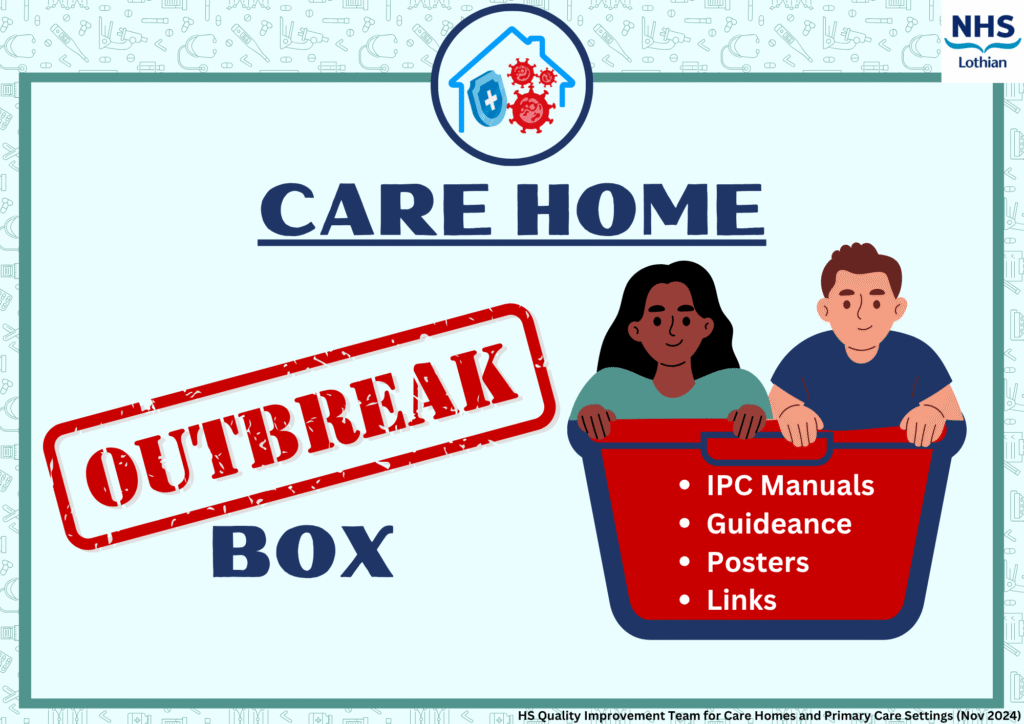
What is a Care Home Outbreak Box?
Although it is recognised Care Homes manage outbreaks of infection well, the idea of the Care Home Outbreak Box (AKA Outbreak Grab Box) is to have outbreak information and resources available in one central point within the Care Home.
The Care Homes outbreak box aims to contain information required during an outbreak and contains guidance and posters on various aspects from PPE to sampling procedures.
It is entirely voluntary if a Care Home chooses to have or use an outbreak box although the East Region Health Protection Service (formerly Health Protection Team (HPT)) do encourage their use during outbreaks or suspected outbreaks.
We do not have any physical outbreak boxes remaining, however, you can download all the materials below.
Downloadable materials
The Care Homes Outbreak Box consists of a label for the boxand the materials below: a red folder (gastrointestinal infection), a blue folder (respiratory infection) and additional information, such as, posters for outbreaks and hand hygiene
Update for Winter 2026/2027
All information has been reviewed and where required updated for this 2026/2027 /Winter season. Please also see the Care Home Managers Letter for information on PCR swabs for this year; this was posted out, along with 10 PCR swabs and specimen bags on 1st September 2026
**Please note** All items below will open in a new window
Red Folder
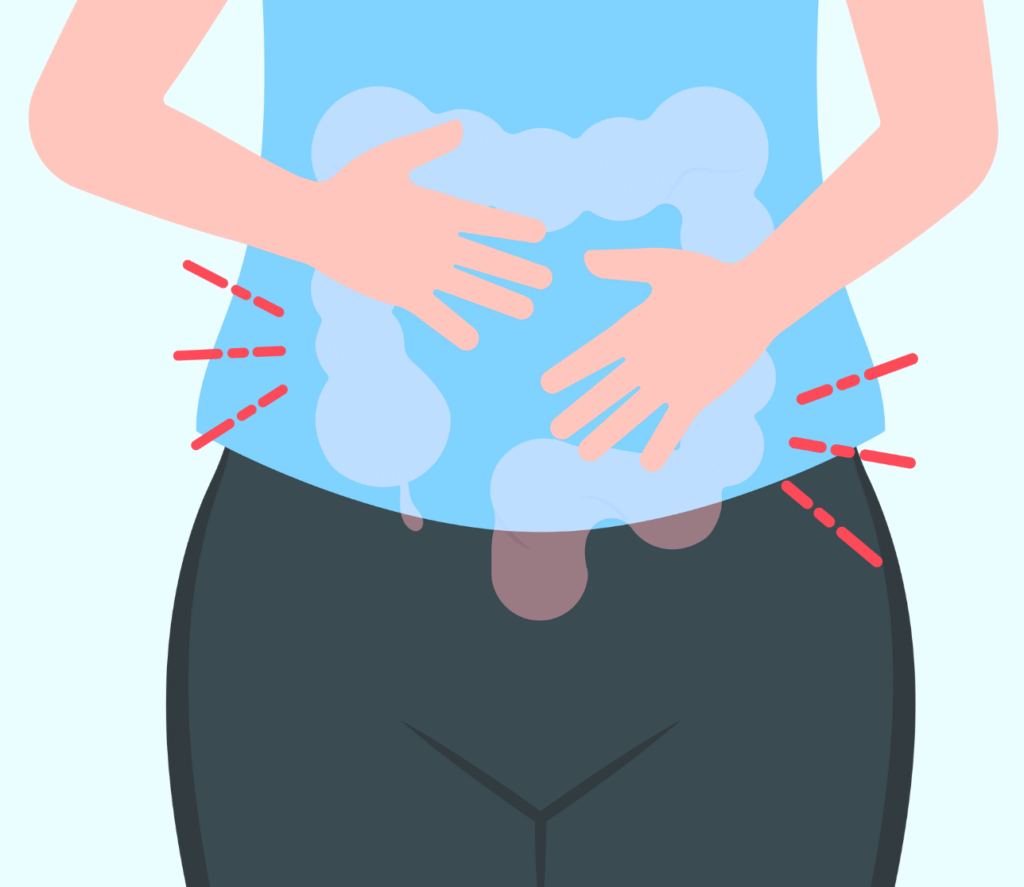
Gastrointestinal Infection
- Norovirus Specimen Collection Guidance
- Bristol Stool Chart
- Care Home IPC Guidance for Gastrointestinal Infection V4.0 21st October 2026 – includes checklists
- Norovirus – key steps to help stop the spread of infection (poster)
- Contact Precautions (ARHAI)
- Contact Precautions (NHS Lothian)
- Appendix 15 -Face Mask Selection
Blue Folder
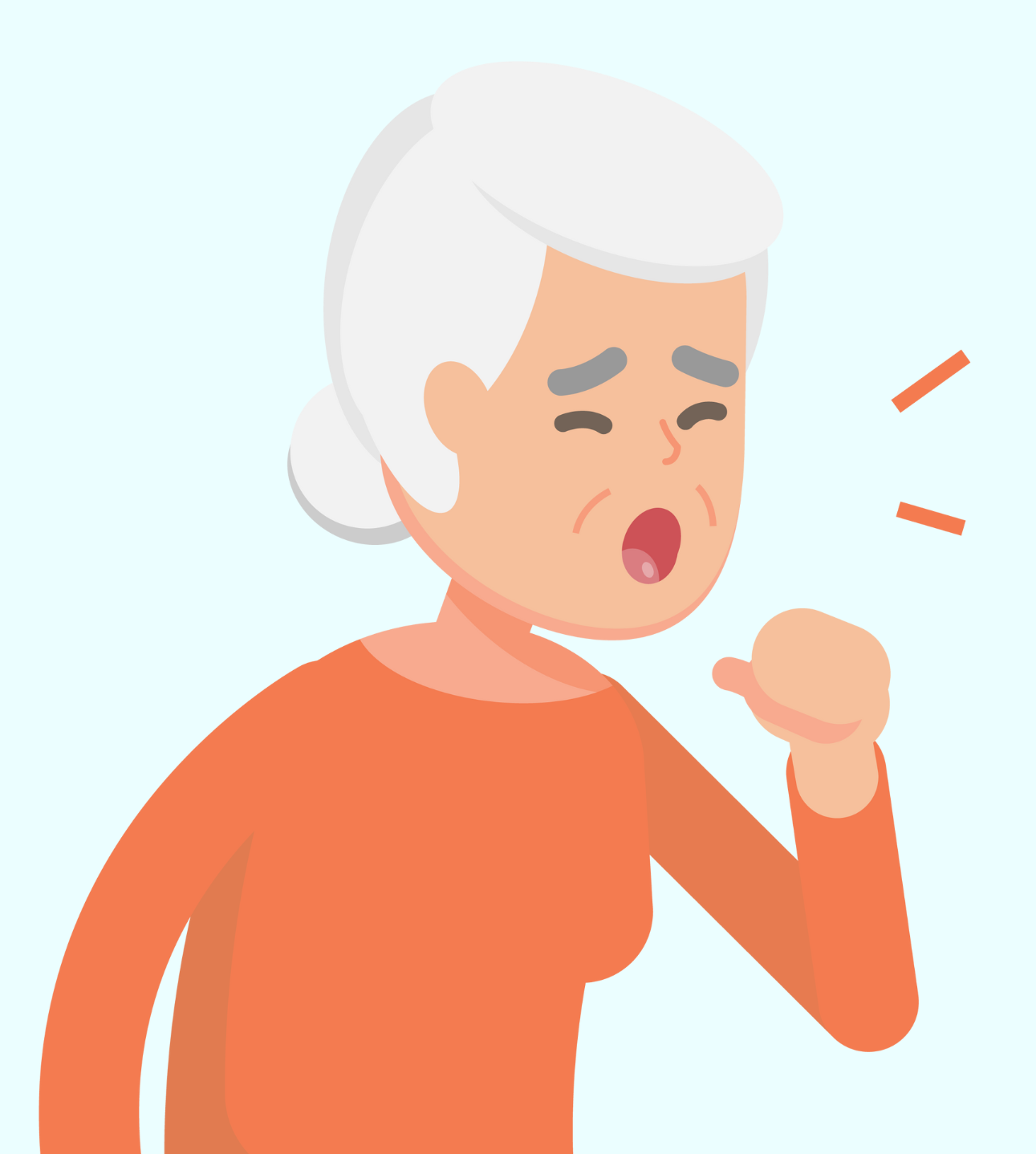
Respiratory Infection
- PCR Flow Chart – When to carry out a PCR test with Care Home Residents
- PCR Order Form – To be completed and sent with samples
- Care Home IPC Guidance for Respiratory Infection V6.0 21st October 2026 – includes checklists
- Respiratory infections – key steps to stop the spread (poster)
- Airborne Precautions (ARHAI)
- Airborne Precautions (NHS Lothian)
- Respiratory Symptoms Screening Questionnaire

Useful Links and Resources
Useful Links and Resources
- Vaccination – Information on Power of Attorney
- East Region Health Protection Service – Formerly Health Protection Team (HPT)
- Infection Prevention and Control Care Home Team (IPCT)
- NHS Inform Homepage – if you need more general information
- Antimicrobial Resistance and Healthcare Associated Infection Scotland (ARHAI)
Updated October 2026 AP and HS