
Blood Borne Virus Service
Welcome to the NHS Lothian BBV service page.
The BBV (Blood Borne Virus) teams aim to provide a high quality, flexible and evidence-based service to meet the needs of individuals at risk of and infected with blood borne viruses in Edinburgh and Lothian.
What are BBV’s?
The three major blood-borne viruses, Human Immunodeficiency Virus (HIV), Hepatitis B virus (HBV) and Hepatitis C virus (HCV), are members of different virus families but have one thing in common. Their major mode of transmission is via blood or bodily fluids. In practice the most common ways of passing on these viruses are through sharing injecting equipment and unprotected sexual intercourse.
There is evidence that all three infections are under diagnosed (estimated one-third of people with HIV and 1/2 of people with HCV are unaware of their infection) and that this is increasing both illness and death rates in these patients. Late diagnosis can result in a poorer outcome for people with any of the BBVs. Testing for BBV’s is simple and can be done with a dried blood spot test or a venous sample. Successful treatment exists for all these infections.
People can often live for many years without experiencing any symptoms, therefore not knowing they are infected. Unfortunately this can mean that by the time the virus is diagnosed, the impact on an individual’s health are far more serious.
The risk of transmission will depend on a number of factors for example:
• whether or not the person is receiving treatment eg. for HIV
• route of transmission
• infectiousness of the virus
Treatment for BBV’s
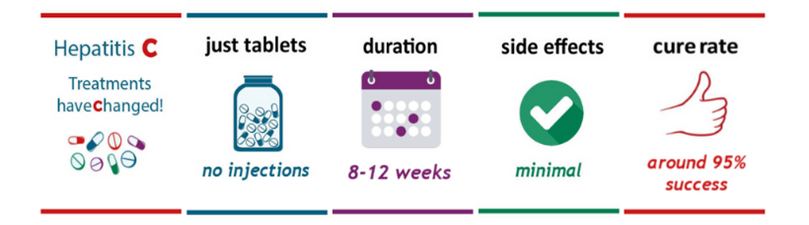
Hepatitis C Treatment – Treatment is daily tablets for 8 to 12 weeks and usually cures the virus. This treatment doesn’t make you immune to hepatitis C and you should take steps to reduce your risk of becoming infected again. See hepatitis C button above.
If the infection is diagnosed early (acute hepatitis), you may not need treatment straight away. Instead, you may have another blood test after a few months to see if your body fights off the virus itself.
If the infection continues for several months (chronic hepatitis), treatment will usually be recommended.
Hepatitis B Treatment – Treatment for hepatitis B depends on how long you’ve been infected for. There are updated guidelines that the team follow to give you the best treatment suited for your individual needs.
HIV Treatment – Antiretroviral medicines are used to treat HIV. They work by stopping the virus multiplying in the body, allowing the immune system to repair itself and prevent further damage.
The medication comes in tablet form and must be taken every day, and most people with HIV take a combination of medicines.
The goal of HIV treatment is to have an undetectable viral load. This means the level of HIV virus in your body is low enough to not be detected by a test.
People who take HIV treatment and whose virus level is undetectable can’t pass HIV on to others. Although there is no cure for HIV yet, people living with HIV who take their treatment should have a normal lifespan and good health.
Without treatment, people with HIV will eventually become unwell. HIV can be fatal if it’s not detected and treated in time to allow the immune system to repair. It’s extremely important to test for HIV if you think you’ve been exposed.
How to Access our Service
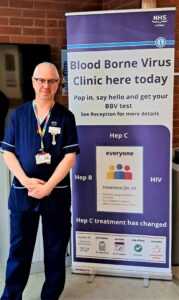
The BBV Team offer a number of outreach clinics where you can go for specialist testing, hepatitis B immunisation, assessment, treatment, prevention advice and support to individuals at high risk of contracting HIV, Hepatitis B and Hepatitis C.
The team are currently based at the Western General Hospital, RIDU, Ward 41.
All of the clinics below are available for appointments or drop-in and meet one of the friendly team.
| BBV Outreach Clinics | |||
| Monday | Tuesday | Wednesday | Thursday |
| Spittal Street Centre, Edinburgh 12.30-4pm (weekly) | No11, Dalkeith Tuesday 9.30-3.30pm (weekly) | Esk Centre, Musselburgh 9-4.30pm (weekly) | Turning Point, Leith, Edinburgh 9-4pm (fortnightly) |
| Craigroyston Health Centre, Edinburgh 10-2pm (4 weekly) | Spittal Street Centre, Edinburgh 1.30-4pm (weekly) | Wester Hailes Healthy Living Centre, Edinburgh 9.30-3.30pm (weekly) | Leith Treatment Centre, Edinburgh 10.00-3.30pm (fortnightly) |
| Howden Health Centre, Livingston, West Lothian 1-4pm (fortnightly) | Craigroyston Health Centre, Edinburgh 1-3.30pm (fortnightly) | ||
| Strathbrock Partnership Centre, Broxburn 1-4pm (fortnightly) | |||
Dried Blood Spot Testing (DBST)
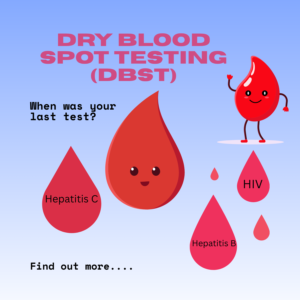
Dried Blood Spot Self-Testing kits
If you feel that you may have been at risk, you can request a self-testing kit using the button or the QR code below.

Blood-Borne Virus News
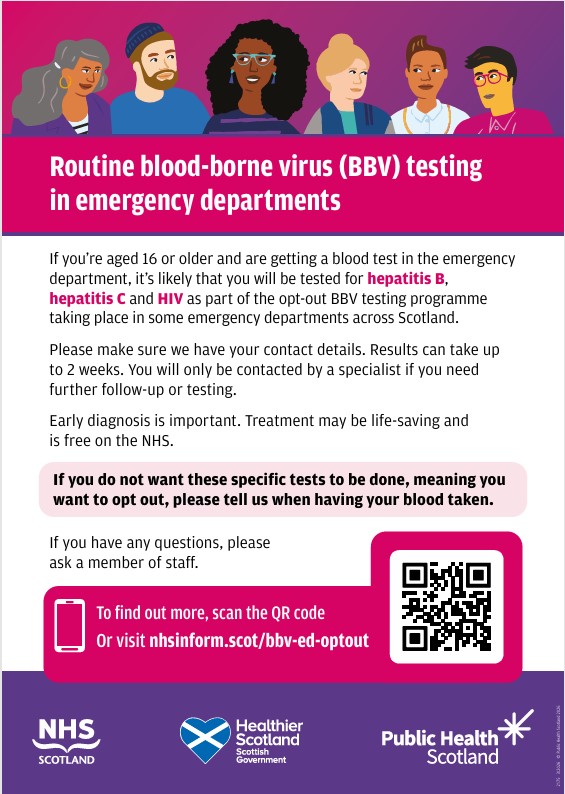
Routine blood-borne virus testing in emergency departments has now been launched at Edinburgh Royal Infirmary and St Johns Hospital, Livingston.
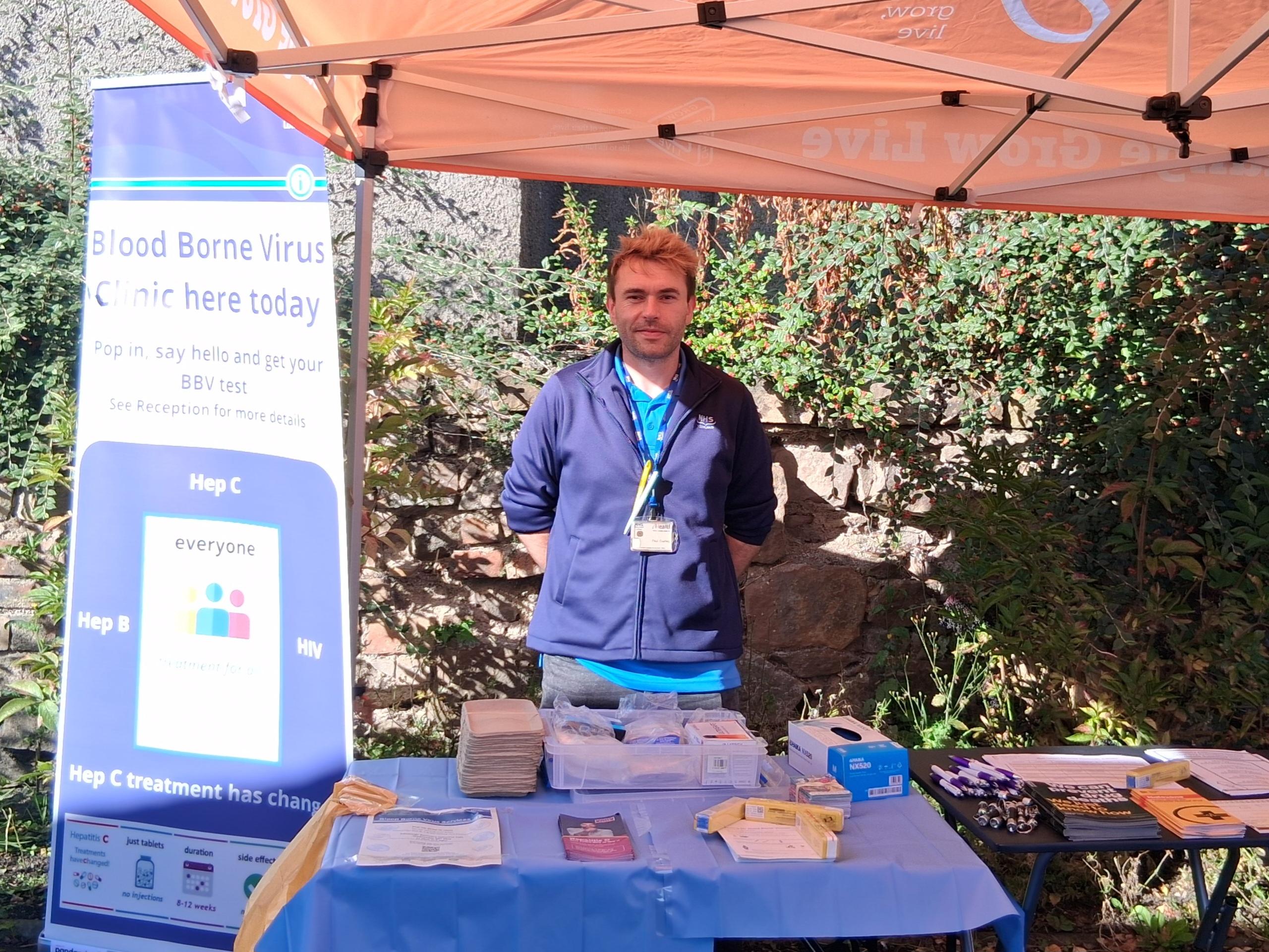
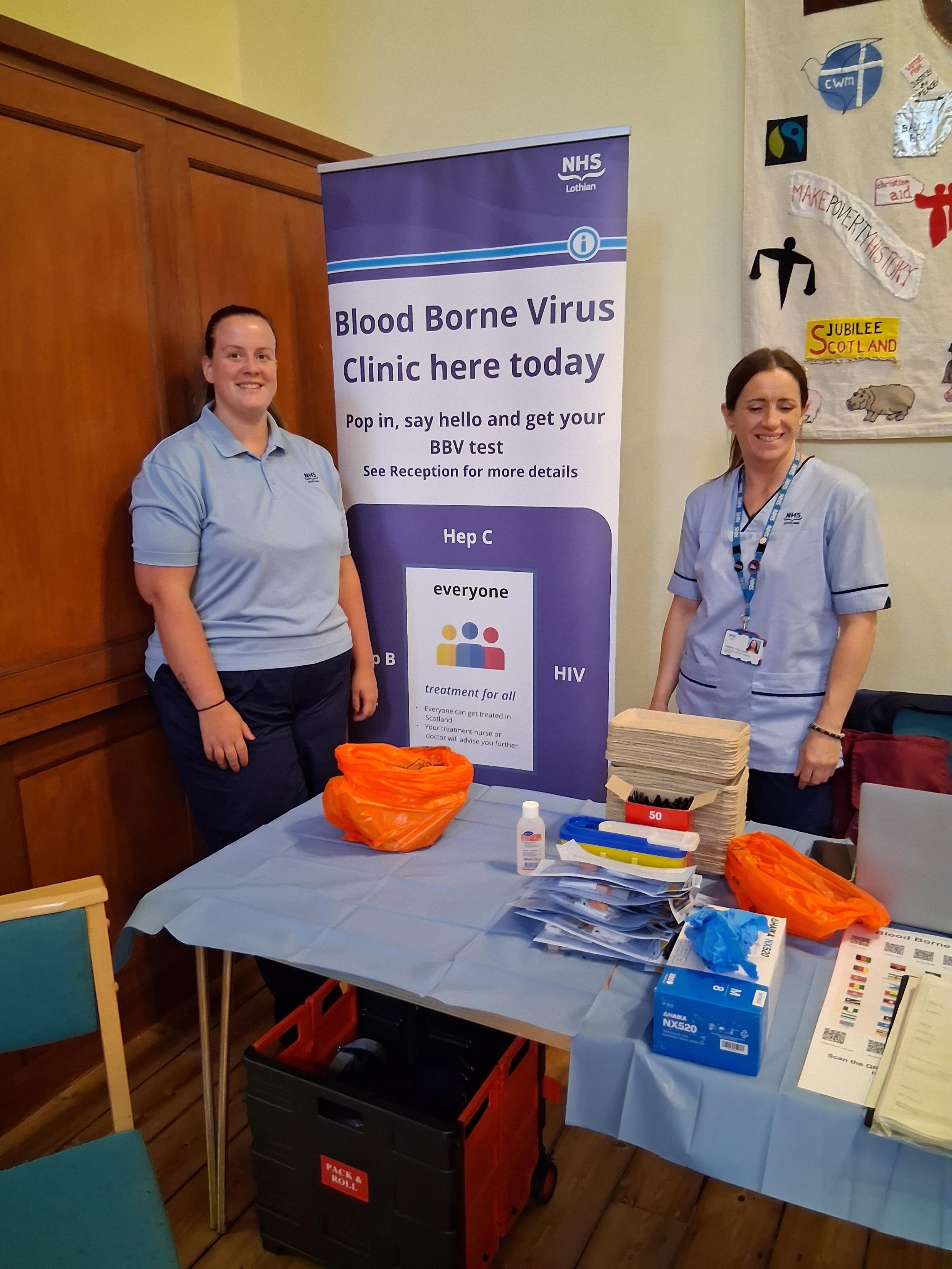
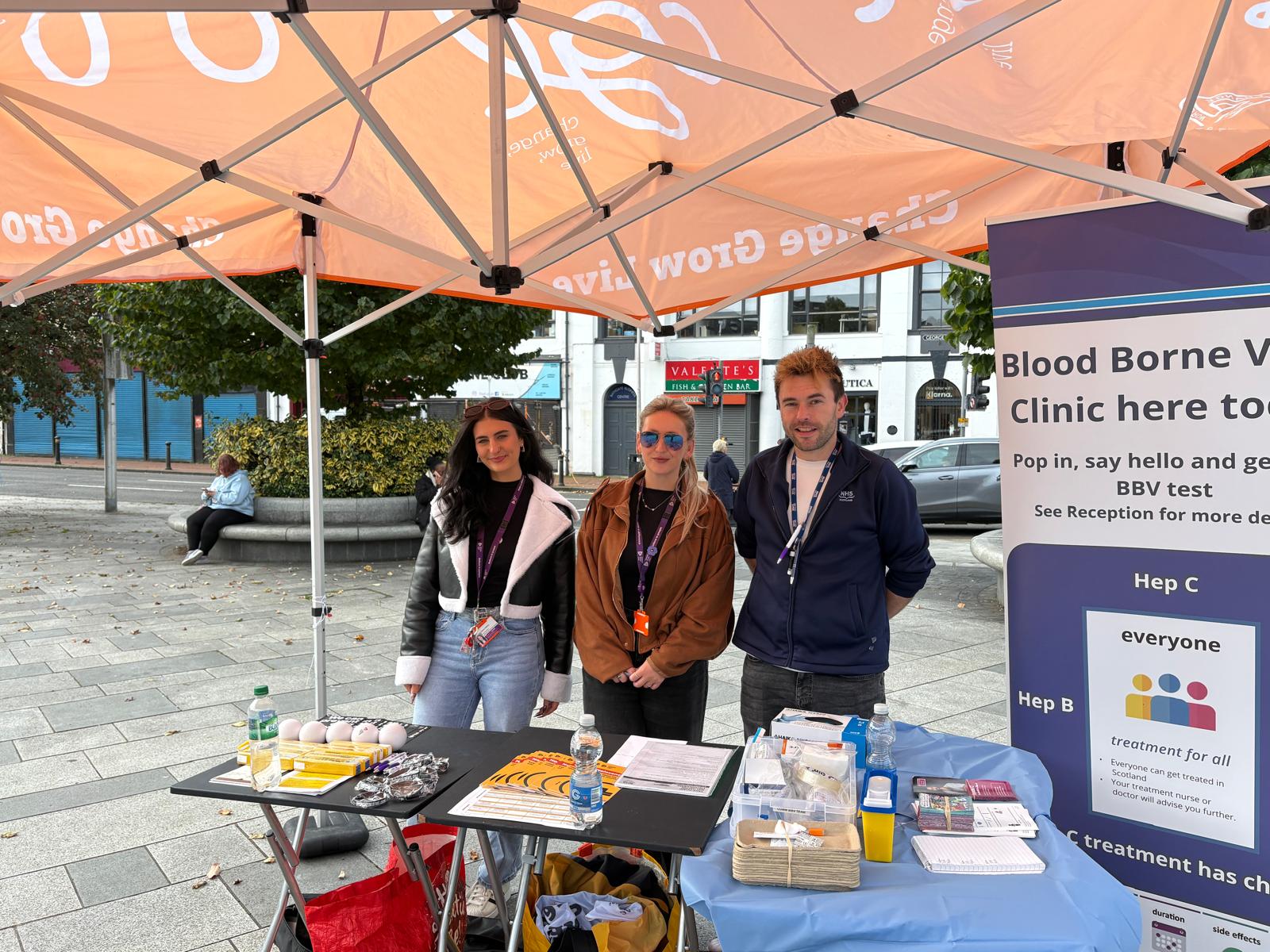
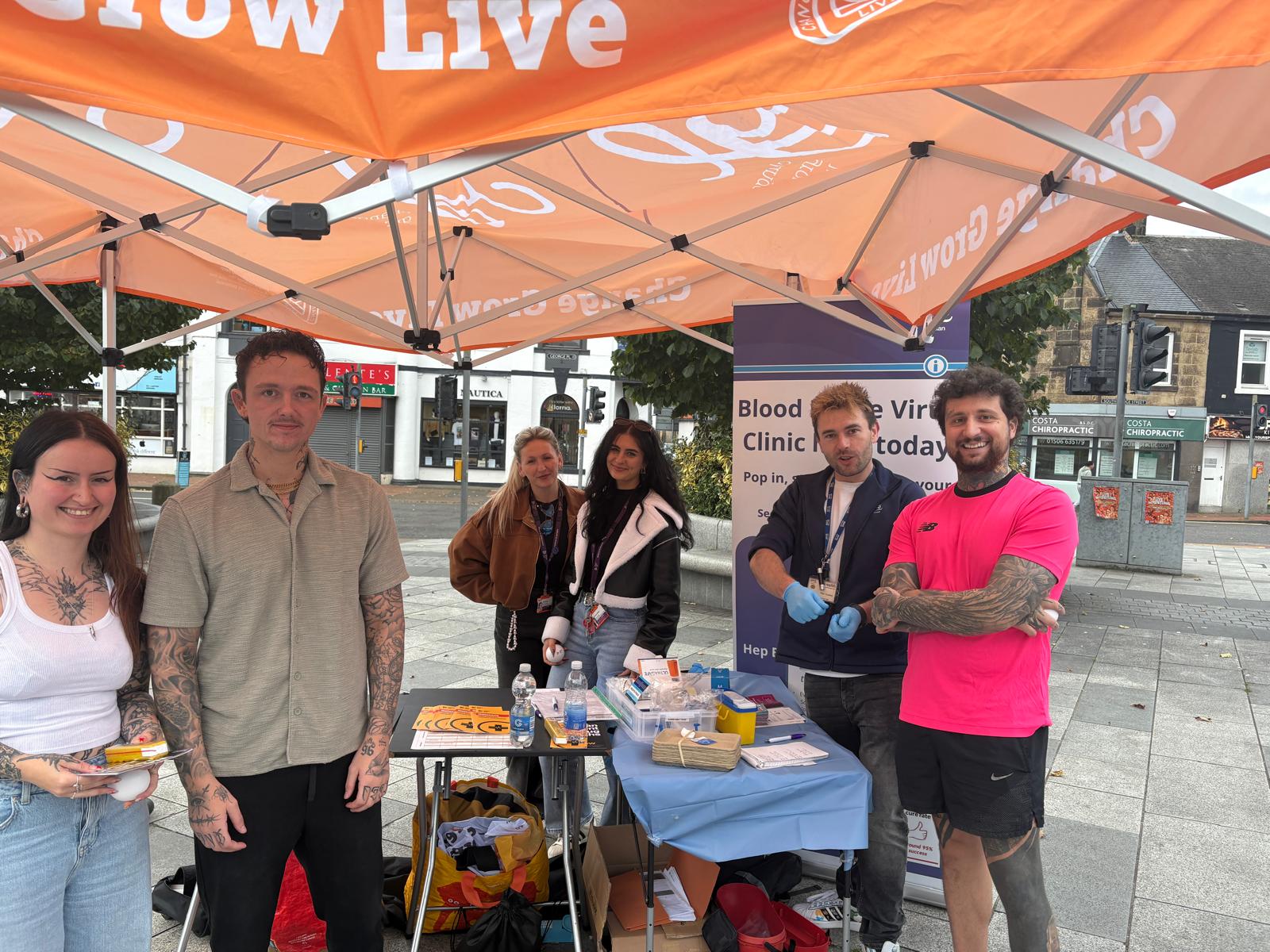
The BBV teams have been out and about supporting local community events.