
Why do we test for BBV’s
HIV, Hepatitis C and Hepatitis B are important pathogens in the UK causing significant personal and public health problems. Successful treatment exists for all these infections. There is evidence that all three infections are under diagnosed (estimated one-third of people with HIV and 1/2 of people with HCV are unaware of their infection) and that this is increasing both illness and death rates in these patients. Late diagnosis can result in a poorer outcome for people with any of the BBVs.
The three major blood-borne viruses, Human Immunodeficiency Virus (HIV), Hepatitis B virus (HBV) and Hepatitis C virus (HCV), are members of different virus families but have one thing in common. Their major mode of transmission is via blood or bodily fluids. In practice the most common ways of passing on these viruses are through sharing injecting equipment and unprotected sexual intercourse.
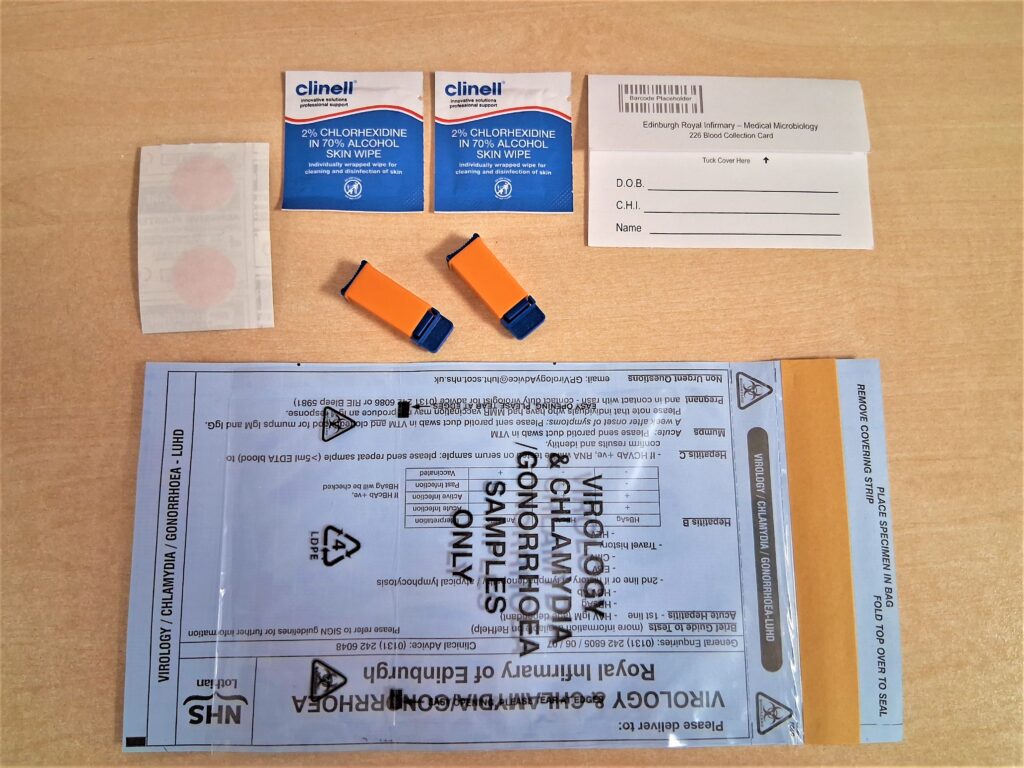
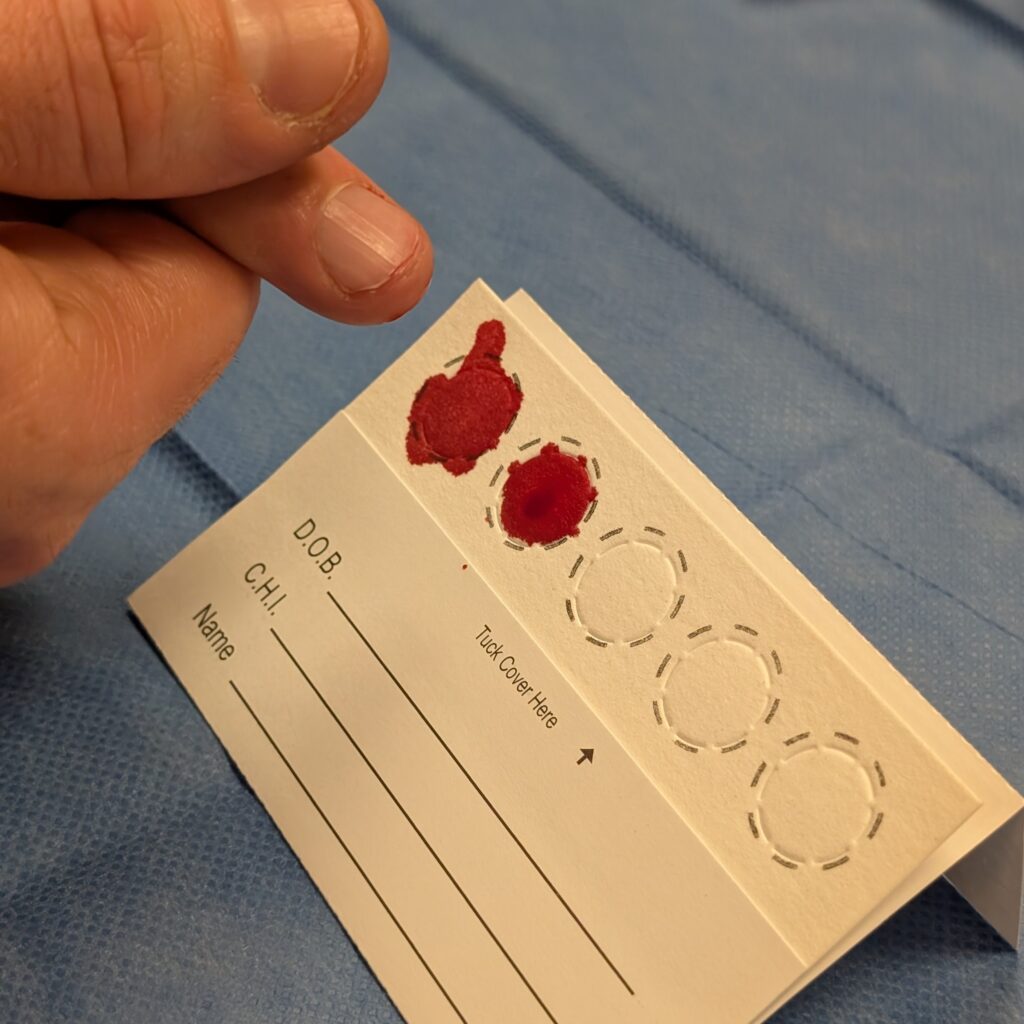
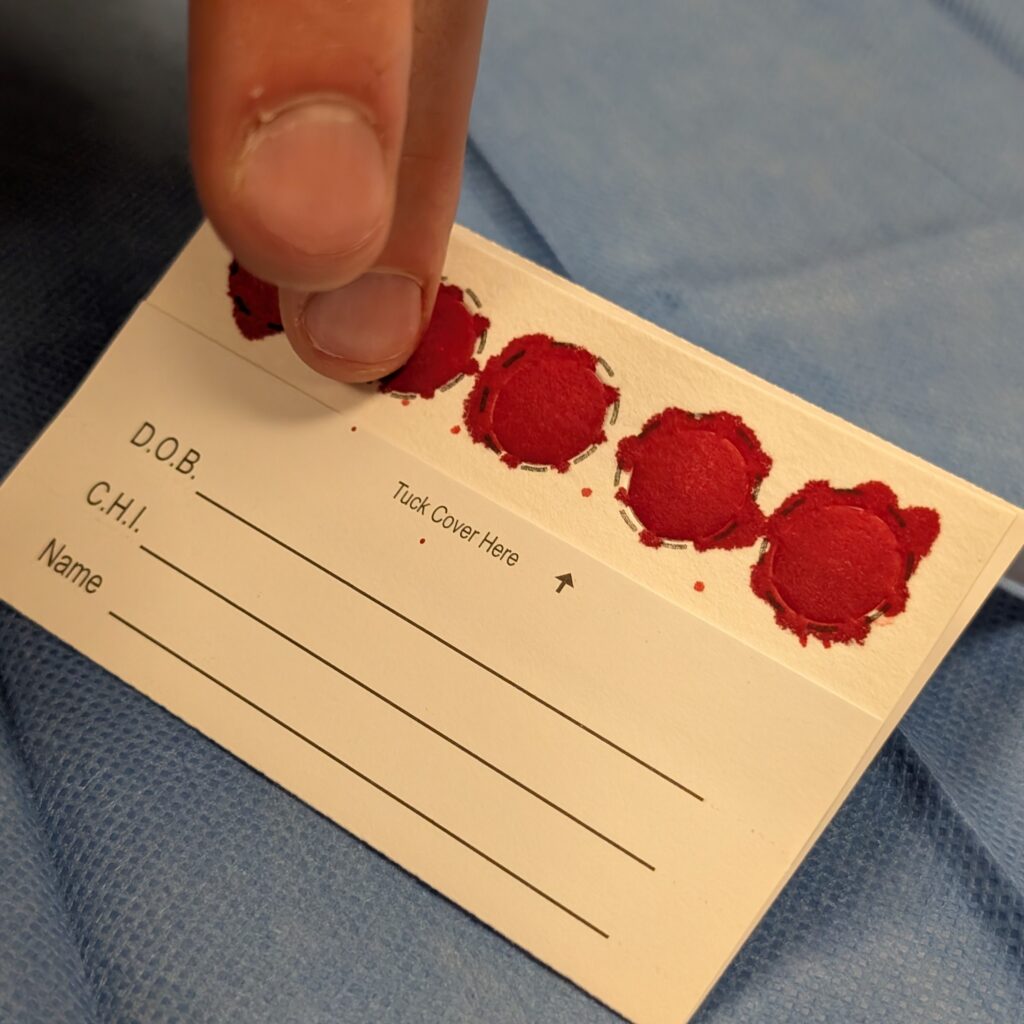
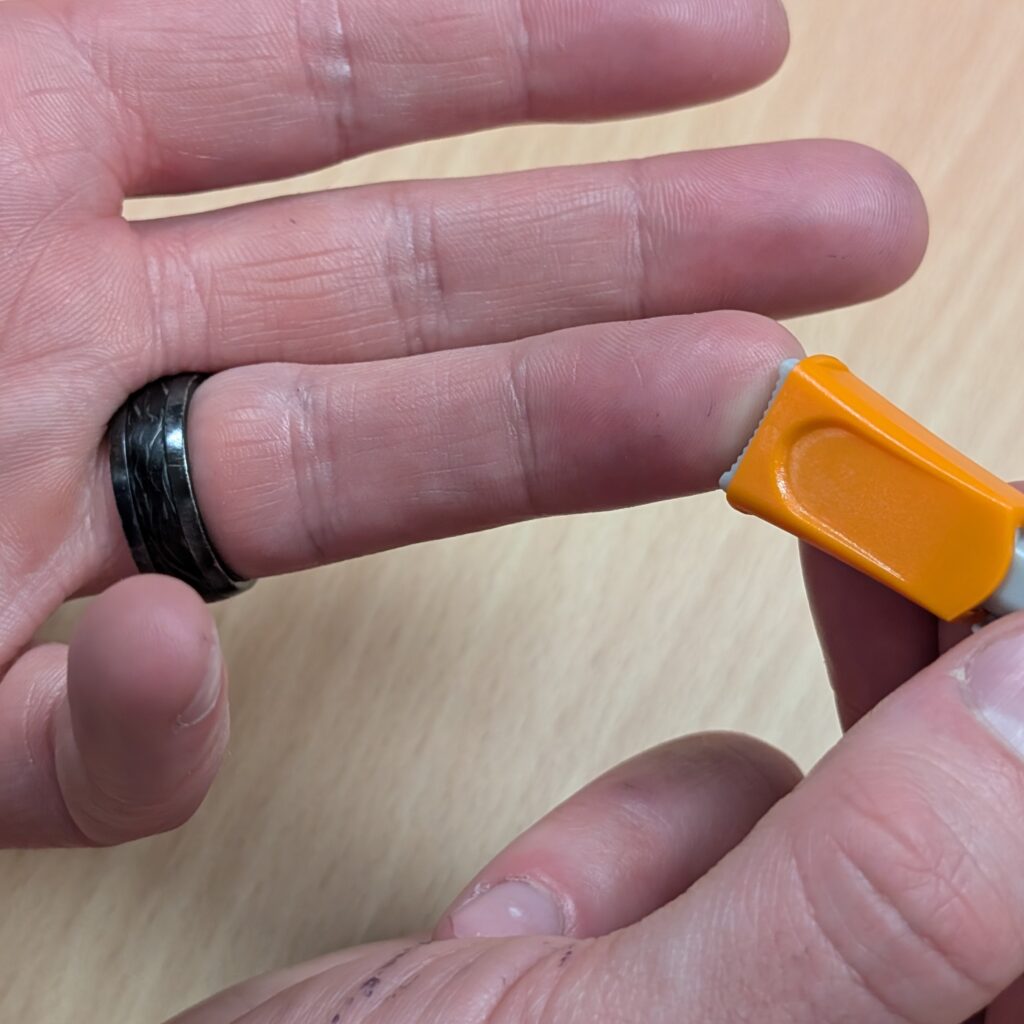
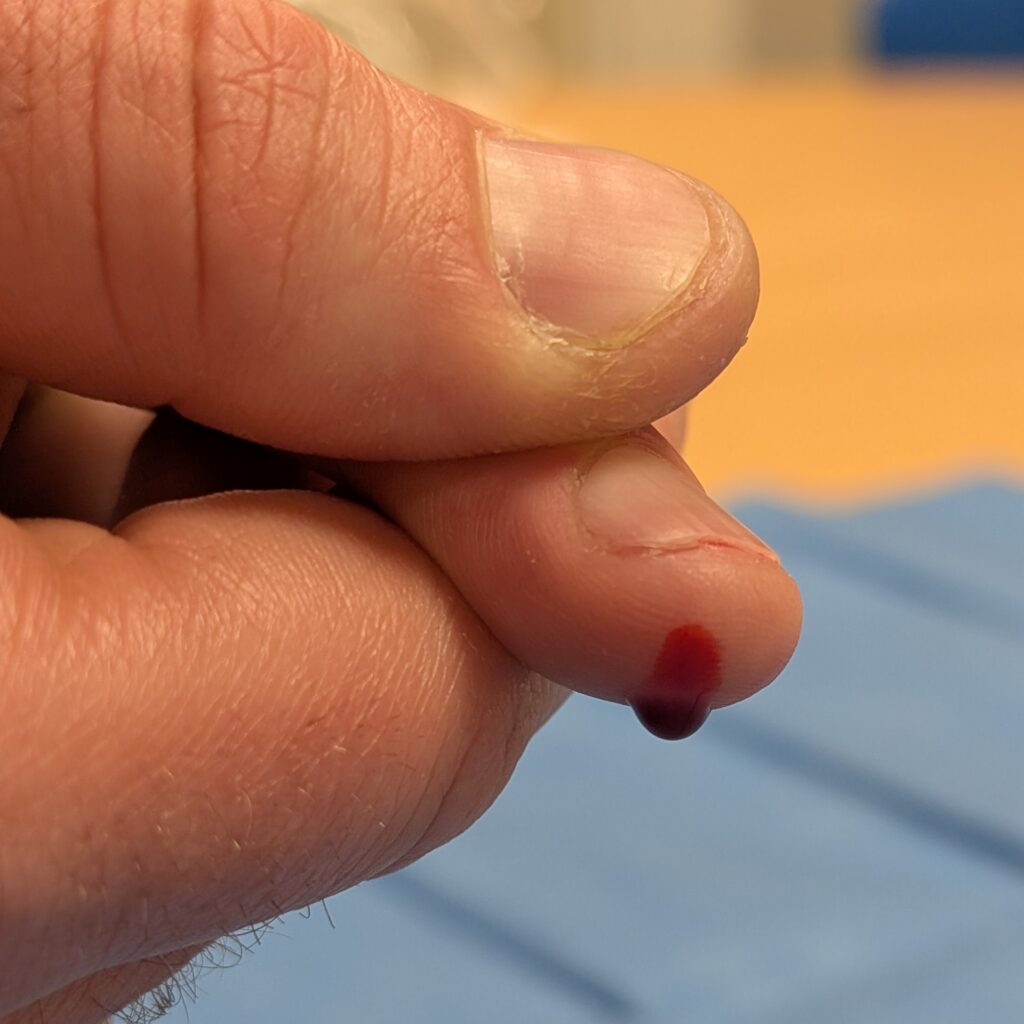
Dried Blood Spot (DBS) testing is a simple, minimally invasive way to screen for infections like Hepatitis C, Hepatitis B, and HIV using just a finger-prick sample.
🩸 How it works
- A small pinprick is made on the finger (like a glucose test).
- Drops of blood are placed onto a special DBS card (filter paper).
- The card dries and is sent to a lab for analysis.
Test for all three BBVs at the same time
People testing positive for one blood borne virus have an elevated risk of being co-infected with other BBVs because of the common routes of transmission. Testing for a single virus may lead to missed diagnoses and false reassurance for people who believe they are being tested for all. It is therefore advisable to test for all major 3 BBVs at the same time.
Advantages of BBV Testing
- A known infected person can receive treatment and care.
- Early diagnosis and treatment is associated with better outcomes.
- People receiving treatment are more likely to remain well and live longer than those not in treatment.
- Known HIV positive or Hepatitis B infected pregnant women can be given treatment and interventions that greatly reduce the risk of vertical transmission (mother to child).
- Testing can encourage patients to change behaviours which put them at risk of infection or further illness such as not drinking alcohol with HCV or using condoms for penetrative sex.
- Testing can allay anxiety even if the result is positive.
- Diagnosed people are more likely to take action that will reduce the risk of them infecting others such as practicing safer sex and using safer injection techniques.
- A diagnosed person can inform their sexual partners and other at-risk contacts so they may seek BBV testing as well.
Self-Testing sample kits
If you feel that you may have been at risk, you are free to request a self-testing kit Order DBST Kit